Have you encounter frequent inconsistent or unreliable readings of your flowmeter? In fact, industry research shows that over 90% of flow measurement issues begin with incorrect meter selection.
Before you blame the device or the installation, take a step back and ask: Was this flow meter the right one for the job in the first place? Whether you’re an instrumentation beginner or a seasoned engineer, choosing the right meter is essential for long-term accuracy and operational safety.
In this guide, I will talk about the five most important factors to consider when selecting a flow meter, along with common issues and troubleshooting tips for popular technologies like electromagnetic and thermal mass flow meters.
Five Critical Factors to Consider for Flowmeter Selection
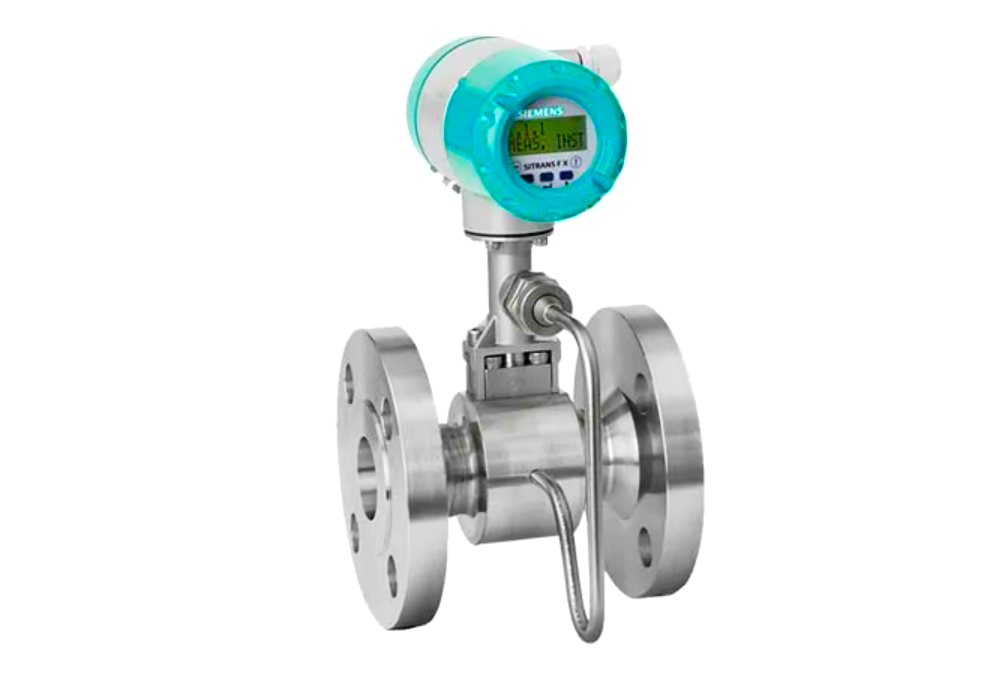
1. Instrument Performance Parameters
Before anything else, define what your process requires in terms of:
- Accuracy and repeatability
- Measurement range (maximum, minimum, and typical flow)
- Response time
- Output signal type
- Pressure drop across the device
Selecting a meter with performance specifications that exceed your actual process conditions can lead to higher costs with little added benefit. On the other hand, undersizing or ignoring pressure loss can compromise safety or damage the instrument.
2. Characteristics of the Fluid
Understanding the physical and chemical properties of the medium is vital. Key aspects include:
Pressure, temperature, viscosity, and density
Conductivity (for electromagnetic meters)
Abrasiveness, corrosiveness, or potential for fouling
Whether the flow is single-phase or multiphase
For example, electromagnetic flow meters require a conductive fluid (>5μS/cm) and are ideal for liquids with solid particles. On the other hand, thermal mass meters are more suited for clean, dry gases and can become inaccurate when the gas composition varies.
3. Installation and Piping Conditions
Flow meters are sensitive to how and where they’re installed. Make sure to assess:
Pipe orientation (horizontal, vertical, or inclined)
Required straight pipe lengths (e.g., 10D upstream, 5D downstream)
Pipe diameter and flow direction
Presence of valves, elbows, or reducers near the installation point
Vibration or electromagnetic interference
A poor installation environment affects the instrument performance even the most advanced flowmeters. Always follow the manufacturer’s guidelines and the installation should be done by professionals.
4. Environmental Influences
External factors can also affect measurement accuracy and instrument lifespan:
Ambient temperature and humidity
Potential for electromagnetic interference
Hazardous area classification (explosive or corrosive environments)
Space limitations for maintenance access
For example, in hot and humid regions, choose instruments rated for high-moisture environments. For explosive zones, select certified explosion-proof meters.
5. Budget and Lifecycle Cost
Cost may go beyond the purchase price. Consider Upfront Cost, Operating Cost, Maintenance Cost, Lifecycle Value
A meter with lower operating and maintenance costs might be a better long-term investment, even if its upfront price is higher.
Conclusion
The secret to accurate flow measurement starts with the right meter selection. By carefully evaluating your fluid, process conditions, installation site, and budget, you’ll avoid common pitfalls and ensure long-term reliability.